I used to believe that perfectly smooth, lump-free grits were a myth, destined only for restaurant chefs. My early attempts often ended in disappointing, textured messes, completely missing that comforting, velvety mouthfeel we all crave from a bowl of truly exceptional Creamy Breakfast Grits. After much experimentation, I finally cracked the code to consistently achieving an incredibly smooth and absolutely irresistible texture every single time.
Why This Recipe Cracks the Code to Flawless Grits
Banish Lumps Forever: Our Signature Cold Water Start
The secret to lump-free grits begins before any heat touches the pan. Starting with cold water allows the corn grits to hydrate slowly and evenly, preventing the starch from clumping immediately when introduced to high temperatures.
This gentle hydration process ensures each granule absorbs moisture independently, laying the foundation for an exquisitely smooth finish.
Irresistibly Velvety Texture, Every Single Time
This recipe delivers a consistent, silky texture that melts in your mouth, far beyond just “not lumpy.” It’s about cultivating a luxurious creaminess through careful simmering and stirring, transforming humble grits into a sublime breakfast comfort food.
Simple Ingredients, Extraordinary Comfort
You don’t need fancy ingredients for this masterpiece. Basic yellow corn grits, water, butter, and salt come together to create a profoundly comforting and satisfying dish.
This recipe showcases how quality fundamentals can yield extraordinary results, elevating a simple breakfast staple.

Gather Your Grits Gear: Essential Kitchen Tools
Medium Saucepan: A heavy-bottomed saucepan is crucial for even heat distribution and preventing scorching, which can ruin the texture of your grits.
Sturdy Whisk: Your most important tool for preventing lumps. A good whisk ensures ingredients are fully incorporated and prevents dry pockets.
Measuring Cups and Spoons: Accuracy in measurements is key for achieving the perfect grit-to-water ratio, which directly impacts the final consistency.
Lid for the Saucepan: Essential for trapping steam and ensuring the grits cook through evenly and maintain moisture during the simmering phase.
Rubber Spatula or Wooden Spoon: Useful for stirring and scraping the bottom and sides of the pan, particularly during simmering, to prevent sticking.
The Core Components: Ingredients for Your Creamy Breakfast Grits
Yellow Corn Grits: Choosing the Right Kind
Opt for yellow corn grits, specifically those labeled “not instant” or “regular.” Instant grits are pre-cooked and will never achieve the same creamy, nuanced texture as traditional grits.
Medium-ground grits are ideal for a balance of quick cooking and developed flavor.
The Magic of Cold Water: Your Anti-Lump Strategy
Cold water is indispensable for preventing clumps from the start. It allows the starch in the grits to gradually absorb moisture, preventing them from seizing up and forming lumps when heat is applied.
Unsalted Butter & Salt: Essential Flavor Enhancers
Unsalted butter adds a rich, luxurious mouthfeel and depth to the grits, making them truly decadent. Salt is critical not just for seasoning at the end, but for building flavor within the grits as they cook.
Freshly Cracked Black Pepper & Honey: Simple, Yet Impactful Toppings
A sprinkle of freshly cracked black pepper adds a subtle warmth and aromatic counterpoint to the sweet richness. A drizzle of honey offers natural sweetness, balancing the savory notes and enhancing the overall comfort factor of your Creamy Breakfast Grits.
Crafting Creamy Breakfast Grits: Your Step-by-Step Guide
- The Cold Start & Whisking Ritual:
In a medium saucepan, combine 1 cup of yellow corn grits with 4 cups of cold water.
This initial cold soak is your secret weapon against lumps; it allows the grits to hydrate gradually and evenly. Whisk continuously for about 30 seconds to thoroughly mix and ensure no dry pockets remain before any heat is applied.
- Bring to a Gentle Boil:
Place the saucepan over medium-high heat.
Stir frequently as the mixture slowly comes to a boil. This consistent stirring prevents the grits from settling and sticking to the bottom of the pan as it heats up.
- The Simmering Transformation:
Once it reaches a boil, immediately reduce the heat to low, cover the saucepan, and let the grits simmer for 20-25 minutes.
This slow cooking, combined with regular stirring every 5 minutes, is crucial for developing that velvety, smooth texture and preventing any clumping. If the grits become too thick before they are fully cooked, add a little more hot water (about 1/4 cup at a time) until you achieve your desired creamy consistency.
- Enrich and Season:
Remove the grits from the heat.
Stir in the 1 tablespoon of unsalted butter and 1/2 teaspoon of salt.
Taste the grits and adjust the seasoning as needed, adding more salt if you prefer, until the flavor is perfectly balanced.
- Serve Immediately:
Spoon the creamy grits into individual bowls.
For an extra touch of indulgence, top with an additional pat of butter, a generous drizzle of honey, and a sprinkle of freshly cracked black pepper. Serve them warm to enjoy their full, comforting glory.
Chef’s Secrets: Elevate Your Grits Game
The Right Grits Truly Matter: Beyond Instant
For the ultimate creamy breakfast grits, always choose traditional, regular or stone-ground yellow corn grits. These varieties retain more of their natural corn flavor and develop a far superior, complex texture compared to quick or instant versions.
Their slower cooking time is a small investment for a significantly better culinary experience.
Maintaining the Perfect Consistency During Cooking
Keep a kettle of hot water ready during the simmering stage. If your grits become too thick or dry, gradually stir in small amounts of hot water (1/4 cup at a time) until the desired luscious consistency is achieved.
Trust your instincts; the grits should be pourable but still rich and thick.
Salt Early, Not Late: Why It’s Crucial for Flavor
Incorporating salt at the point of adding butter helps the flavor penetrate and season the grits from within as they absorb the liquid. Salting only at the very end merely seasons the surface, resulting in a less integrated and often bland taste.
The Art of Stirring: Gentle and Consistent for Creaminess
Stirring is vital, but don’t overdo it. Gentle, yet thorough stirring every 5 minutes during simmering prevents sticking and encourages the breakdown of starches, contributing to that desirable velvety texture.
Always scrape the bottom and sides of the pan to ensure even cooking.
Customizing Your Creamy Breakfast Grits Experience
Sweet Sensations: Beyond Just Honey
Explore other sweet toppings to complement your creamy breakfast grits. Drizzle with maple syrup or agave, sprinkle with brown sugar and cinnamon, or top with fresh berries like blueberries and raspberries. A spoonful of homemade fruit compote can also add a delightful burst of flavor.
Savory Swirls: Transforming Your Breakfast
Transform your grits into a savory delight. Stir in sharp cheddar or Parmesan cheese for a cheesy version. Top with crispy bacon, sautéed mushrooms, or a perfectly fried egg. Wilted spinach or collard greens also make fantastic additions.
Spice It Up: A Touch of Heat and Flavor
For those who enjoy a little kick, a tiny pinch of cayenne pepper stirred into the finished grits adds a subtle warmth without overpowering the dish. A dash of your favorite hot sauce or a sprinkle of smoked paprika can also introduce exciting new flavor dimensions.
Beyond Breakfast: Creative Serving Ideas
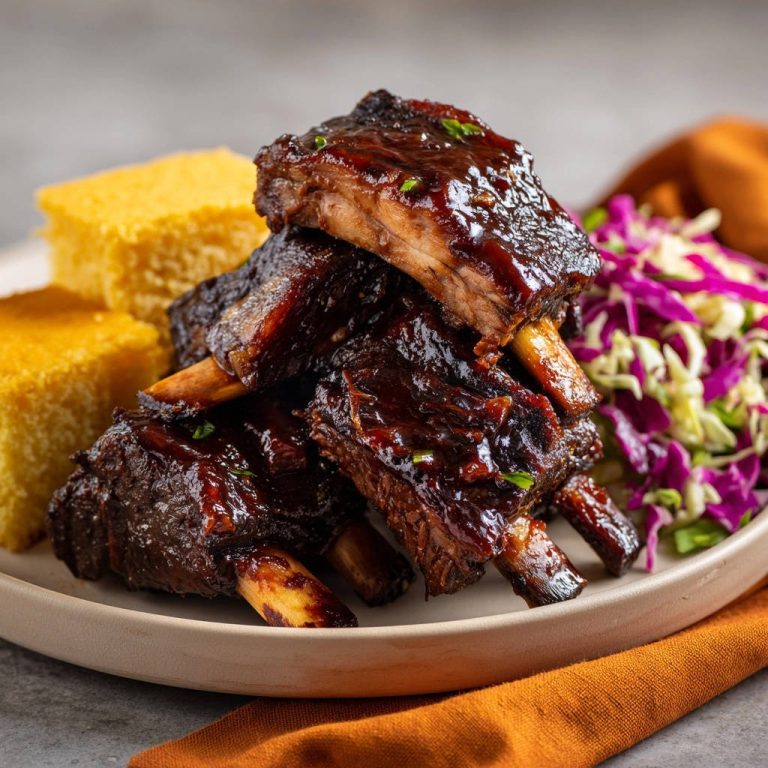
Grits aren’t just for breakfast. Serve them as a rich, comforting side dish for dinner with roasted chicken, braised short ribs, or as the base for classic shrimp and grits. They also pair wonderfully with hearty stews, soaking up all the delicious flavors.
Troubleshooting Common Grits Challenges
Why Are My Grits Lumpy?
Lumps usually occur if grits are added to hot water or if they aren’t whisked thoroughly at the start. Always begin with cold water and whisk continuously for at least 30 seconds to ensure even hydration.
Consistent stirring during the initial boiling phase also prevents clumping.
My Grits Are Too Thin or Too Thick!
If your grits are too thin, continue to simmer them uncovered, allowing more liquid to evaporate, until they reach your desired consistency. If they become too thick, gradually stir in small amounts of hot water (1/4 cup at a time) until they become smooth and creamy.
Grits Sticking to the Bottom of the Pan?
Sticking is often a sign of too high heat or insufficient stirring. Use a heavy-bottomed saucepan to distribute heat evenly, keep the heat on low during simmering, and stir every 5 minutes, scraping the bottom and sides of the pan.
My Grits Lackluster Flavor?
Ensure you add enough salt, not just at the end, but during the cooking process to allow the flavor to meld properly. A good pat of butter also significantly enhances the richness and overall taste.
Frequently Asked Questions About Grits
Can I Use Instant Grits for This Recipe and Achieve the Same Creaminess?
While instant grits are convenient, they are highly processed and pre-cooked, making it impossible to achieve the deep flavor and truly velvety, smooth texture of traditional creamy breakfast grits. For best results, always stick to regular or stone-ground varieties.
How Do I Store Leftover Creamy Grits?
Store leftover creamy grits in an airtight container in the refrigerator for up to 3-4 days. They will firm up considerably as they cool.
Can I Make Creamy Grits Ahead of Time?
You can certainly make grits ahead. When reheating, gently warm them on the stovetop over low heat with a splash of milk or water, stirring frequently, until they regain their desired creamy consistency. Avoid microwaving large quantities as it can dry them out unevenly.
What’s the Difference Between Grits and Polenta?
Both grits and polenta are made from dried, ground corn. Grits typically originate from the American South, often made from white or yellow corn and sometimes undergo a nixtamalization process. Polenta is a traditional Italian dish made from a specific type of yellow cornmeal, usually coarser ground. The cooking methods and textures can vary.
Can I Make This Recipe Dairy-Free?
Absolutely! To make this recipe dairy-free, simply substitute the unsalted butter with a plant-based butter alternative or a high-quality olive oil. The essence of the smooth grits will remain delicious.
Ready to Enjoy the Smoothest Creamy Breakfast Grits Ever?
Armed with these expert tips and a fool-proof method, you’re now ready to conquer the kitchen and create truly exceptional Creamy Breakfast Grits. Say goodbye to lumpy disappointments and hello to a bowl of velvety, comforting perfection.
Give this recipe a try and rediscover the joy of perfectly smooth grits. Share your experience or any unique topping combinations you discover!

Creamy Breakfast Grits
Course: BreakfastCuisine: American CuisineDifficulty: easy2
servings5
minutes30
minutes35
minutesAmerican Cuisine
Ingredients
1 cup yellow corn grits (not instant)
4 cups cold water
1/2 teaspoon salt
1 tablespoon unsalted butter, plus more for serving
Freshly cracked black pepper, for serving
Honey, for serving
Directions
- The Secret to Smoothness: In a medium saucepan, combine the 1 cup of yellow corn grits with the 4 cups of cold water. It’s crucial to start with cold water and whisk the grits in before applying any heat. This allows the grits to hydrate evenly and prevents them from clumping together when the temperature rises. Whisk continuously for about 30 seconds to ensure no dry pockets remain.
- Place the saucepan over medium-high heat. Bring the mixture to a boil, stirring frequently to prevent sticking to the bottom. Once it reaches a boil, reduce the heat to low, cover, and let it simmer.
- Continue to simmer for 20-25 minutes, stirring every 5 minutes. This slow cooking and regular stirring are key to developing that velvety, smooth texture and preventing lumps. If the grits become too thick before they are done, you can add a little more hot water, about 1/4 cup at a time, until you reach your desired consistency.
- Remove the grits from the heat. Stir in the 1 tablespoon of butter and the salt. Taste and adjust seasoning as needed.
- Spoon the creamy grits into a bowl. Top with an extra pat of butter, a generous drizzle of honey, and a sprinkle of freshly cracked black pepper. Serve immediately and enjoy your perfectly smooth, never lumpy grits!
Notes
- The key to smooth grits is starting with cold water and whisking continuously initially to prevent lumps.