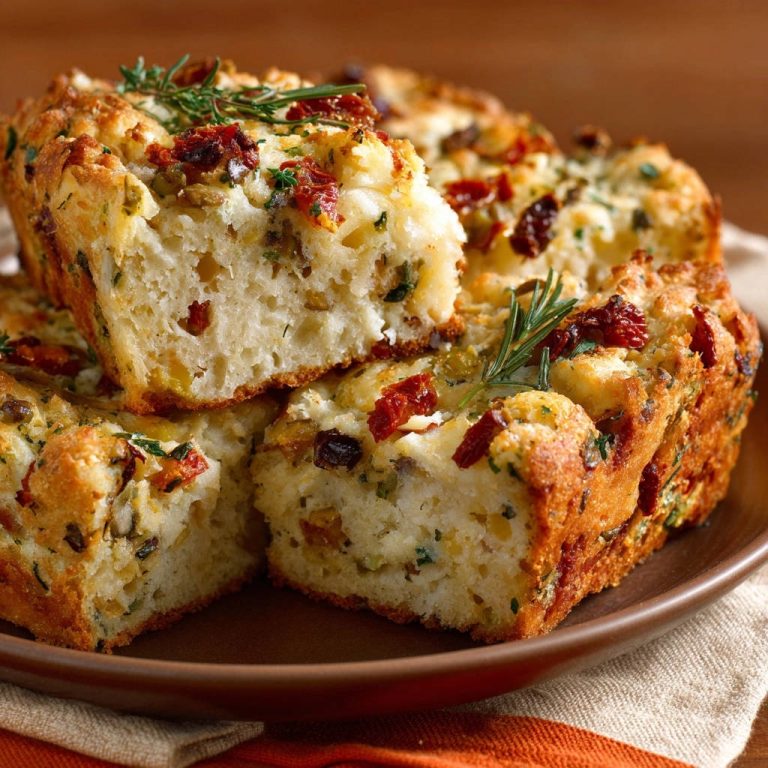
Sick of pulling rosemary focaccia from the oven only to find a tight, gummy interior that sinks your teeth like a brick? You’re not alone. Most home bakers battle dense crumb because traditional kneading deflates those precious air bubbles. But this rosemary focaccia recipe changes everything with a simple stretch-and-fold method that builds strength in high-hydration dough without ruining the structure.
Why does it work so well? High hydration, around 75%, creates those massive, irregular holes you crave. In addition, the gentle folds align gluten strands just enough to trap CO2 from fermentation. Therefore, you get that signature open, airy texture every time.
Here’s the expertise booster: during the first rest after mixing, that 30-minute autolyse hydrates the flour fully. Enzymes kick in to soften the bran, making the dough extensible without toughness. Wet your hands for the folds, and you’ll see the shaggy mess transform into bubbly perfection. Oh man, the aroma alone will have everyone hovering in your kitchen.
Why High-Hydration Defines Rosemary Focaccia
High-hydration dough, with 75% or more water to flour, sets rosemary focaccia apart. Unlike low-hydration doughs that knead into tight loaves, this ratio lets yeast produce big CO2 bubbles. However, it demands careful handling to avoid collapse.
Traditional kneaded versions compact those bubbles into a uniform, chewy crumb. This recipe skips that. Instead, stretch-and-folds preserve air pockets for the open structure pros rave about. You’ll taste the difference in every crisp, olive oil-soaked bite.
Yeast Activation in Warm Water
Start with water at 110F, not hotter, to wake the yeast without killing it. Whisk it in a bowl and wait 5 minutes for foam. That proof confirms it’s alive and ready to ferment, building flavor through gases and acids.

If no foam appears, your yeast is dead. Discard and grab fresh active dry yeast. Therefore, troubleshooting starts here for foolproof rosemary focaccia rise.
Autolyse Rest for Gluten Magic
After mixing into a shaggy dough, cover and rest 30 minutes. This autolyse lets water penetrate flour particles fully. Enzymes break down proteins, softening bran for better extensibility.
Result? A dough that stretches without tearing. No toughness from early kneading. It’s the quiet step that sets up airy rosemary focaccia success.
Essential Ingredients for Rosemary Focaccia Success
Bread flour forms the backbone of rosemary focaccia. Its 12-14% protein creates strong gluten networks to hold steam and bubbles. All-purpose flour falls short, leading to flat, dense results.
Olive oil tenderizes in layers: 1/4 cup mixes into dough for moisture, while 1/2 cup oils the pan and tops for crispy edges. Fresh rosemary delivers piney intensity; chop leaves finely for even distribution. Sea salt enhances yeast activity and flavors every bite.
Flaky sea salt on top adds crunch contrast. Therefore, quality matters. Pick extra-virgin olive oil for fruity notes that shine in rosemary olive focaccia.
Bread Flour Protein Power
Four cups of bread flour, with high protein, trap CO2 bubbles during baking. All-purpose, at 10-11% protein, collapses under high hydration. Therefore, stick to bread flour for those cavernous holes in rosemary focaccia.
Olive Oil Layers Explained
One-quarter cup in the dough keeps the crumb moist. Half a cup for pan and topping fries the bottom crisp while pooling in dimples for flavor. Extra-virgin olive oil’s purity elevates rosemary focaccia texture.
Fresh Rosemary Intensity
Three tablespoons chopped leaves pack bold aroma; whole sprigs add visual punch. Chop finely to release oils evenly. Dried works in pinch, but fresh rules for vibrant rosemary focaccia.
Stretch-and-Fold Technique Builds Strong Dough
Forget kneading. Stretch-and-folds gently strengthen high-hydration dough for rosemary focaccia. Wet hands prevent sticking, and four sets over two hours align gluten without deflating bubbles.
Visual cues matter: dough starts shaggy, ends smooth, elastic, and bubbly. This method traps air for open crumb. Pro tip: do folds in the bowl to keep it contained and easy.
First Stretch-and-Fold Sequence
Post-autolyse, wet hands and grab one dough side. Stretch up high, fold over center. Rotate bowl 90 degrees, repeat three times. The shaggy mass firms slightly, gaining elasticity.
Cover and rest 30 minutes. This set kickstarts gluten without popping bubbles.
Three More Sets for Bubble Growth
Repeat three times at 30-minute intervals. Dough evolves from sticky to puffy with visible bubbles. Gluten strands align, strengthening for oven spring.
By hour two, it’s alive and jiggly. Patience here guarantees airy rosemary focaccia.
Science of Dimpling and Proofing Rosemary Focaccia
Gently transfer to oiled 9×13 pan, stretching to fit. Dimple firmly with oiled fingertips to create even deflation and oil pools. This infuses rosemary and salt deeply.
Proof 1-2 hours in a warm spot until doubled and puffy. Oven light works great. Pan oil prevents sticking and crisps edges beautifully.
Oiled Pan Transfer Method
Oil pan generously with 1/4 cup. Drape dough in, flip to coat both sides. Stretch gently to corners without tearing. Loose oiled wrap covers without deflating.
Fingertip Dimple Pressure
Press firmly all over with fingertips. Create deep pools for oil, rosemary, salt. Shallow pokes won’t distribute flavors evenly in rosemary focaccia.
Baking Rosemary Focaccia to Golden Perfection
Preheat to 425F. Bake 20-25 minutes until edges crisp golden and top bubbles. Cool briefly in pan, then rack to stay crunchy.
Slice warm squares. The crust crackles, center yields softly. Perfect rosemary focaccia every time.
Oven Positioning and Timing
Middle rack ensures even bake. Rotate halfway if your oven runs hot. Edges crisp first, center stays soft.
Post-Bake Cooling Rack Transfer
Rest 5-10 minutes in pan for structure. Transfer to rack for airflow. Prevents soggy bottom in rosemary focaccia.
Avoiding Common Rosemary Focaccia Pitfalls
Dense crumb? Often from over-kneading or skimping hydration. Flat rise comes from drafts or weak yeast. Gummy insides mean underbaking.
Fixes: measure water precisely, proof warmly, bake fully. Stretch-and-folds save the day every time.
Fixing Dense, Gummy Crumb
Underdeveloped gluten shows as tight texture. Do full stretch-and-fold sets. Check hydration; too little water starves bubbles. Oven to 200F internal if needed.
Preventing Flat or Uneven Rise
Avoid cold drafts or over-dimming. Test yeast foam first. Warm proof spot doubles dough reliably.
Flavor Variations for Rosemary Focaccia
Swap in garlic slivers with rosemary for punch. Lemon zest brightens without overpowering. Olive tapenade or halved cherry tomatoes press into dimples pre-bake.
Thyme pairs well too. Keep vegan, cheese-free. High hydration stays intact for all twists.
Citrus-Herb Rosemary Twists
Add 1 tablespoon lemon zest post-folds. It cuts richness without bitterness if not overproofed. Orange zest works similarly for sunny notes.
Vegetable and Olive Additions
Press cherry tomatoes or kalamata olives into dimples. Drizzle extra oil to compensate. Boosts juiciness in every bite.
Pairing Rosemary Focaccia with Meals
Tear into warm rosemary focaccia alongside minestrone or vegetable soups. Its crust sop ups broth perfectly. Great for sandwiches too.
Pair with salads or antipasti boards. Texture contrasts shine.
Soup and Stew Complements
Brothy vegetable soups love the crust’s sopping power. Soft center absorbs flavors deeply. Ideal winter warmer.
Salad and Antipasto Matches
Arugula salads gain crunch from focaccia croutons. Build boards with veggies, dips. Contrasts elevate every bite.
Make-Ahead and Storage for Rosemary Focaccia
Cold ferment dough post-stretches for 24-48 hours. It gains tangy depth like sourdough. Proof and bake next day.
Store airtight up to two days. Freeze baked slices wrapped tight. Reheat at 350F to revive crisp.
Cold Ferment Dough Strategy
Fridge after folds slows yeast, builds acids for flavor. Proof 2-3 hours room temp before baking. Tangier rosemary focaccia results.
Freezing and Reheating Guide
Freeze baked in foil up to a month. Thaw overnight, reheat 350F 10 minutes. Crisp returns fully.
Equipment Choices for Rosemary Focaccia
9×13 metal pan conducts heat fast for crisp bottoms. Glass bakes slower, risks sogginess. Digital scale ensures precise hydration.
Wide bowl aids folds. Proofing box optional for steady warmth.
Best Baking Pan Materials
Aluminum 9×13 excels at quick, even browning. Skip dark pans that burn edges. Nonstick eases release.
Scale and Bowl Essentials
Weigh flour in grams for exact 75% hydration. Wide, straight-sided bowl lets dough expand during folds.
Rosemary Focaccia FAQ
Can I Use All-Purpose Flour?
Yes, but expect smaller holes and denser crumb in your rosemary focaccia. All-purpose has 10-11% protein versus bread flour’s 12-14%, so it struggles to trap big bubbles. Blend 50/50 with bread flour for a compromise. However, measure precisely and boost hydration slightly to compensate. Fresh results beat store-bought every time.
How to Tell If Dough Proofed Enough?
Use the poke test: gently press dough with a finger. It should spring back slowly, leaving a slight indent. Look for puffy doubling, visible bubbles under the surface, and a slight jiggle when shaken. Time varies by warmth, so trust visuals over clock for perfect rosemary focaccia rise. If overproofed, it deflates easily.
Substitute Dry Rosemary?
Use 1 tablespoon dried rosemary for every 3 tablespoons fresh chopped. Dried lacks fresh’s volatile oils, so flavor’s milder in rosemary focaccia. Add it during mixing for rehydration. However, fresh delivers superior piney punch and aroma. Strip leaves, chop finely right before use to maximize intensity.
Why Is My Focaccia Dense?
Top culprits: insufficient stretch-and-folds weaken gluten, low hydration starves bubbles, or oven too cool underbakes interior. Fix by doing all four fold sets fully, weigh water at 1.5 cups exactly, and hit 425F with 25-minute bake. Check for golden edges and hollow tap sound. These tweaks yield airy rosemary focaccia reliably.
Freezes Dough or Baked Bread?
Both work great for rosemary focaccia. Freeze shaped dough post-folds up to 48 hours; thaw in fridge, then proof. For baked, cool fully, wrap slices airtight in foil, freeze up to one month. Thaw at room temp, reheat 350F 10 minutes to crisp. Dough method boosts flavor; baked saves time.

Rosemary Focaccia
Course: BreadCuisine: ItalianDifficulty: easy1
loaf (9×13-inch pan, about 12 servings)30
minutes25
minutes240
Minutes250
kcalItalian
Ingredients
4 cups bread flour
1 1/2 cups warm water (about 110F)
2 teaspoons active dry yeast
2 teaspoons sea salt
1/4 cup olive oil (for dough), plus 1/2 cup for pan and topping
3 tablespoons fresh rosemary leaves, chopped, plus sprigs for topping
Flaky sea salt, for sprinkling
Directions
- In a large bowl, whisk warm water and yeast. Let sit 5 minutes until foamy. Add flour, salt, and 1/4 cup olive oil. Stir with a wooden spoon until a shaggy, sticky dough forms, no dry spots. Cover and let rest 30 minutes (autolyse step hydrates flour for better gluten).
- Here’s the game-changer for no dense crumb: Wet your hands, reach under dough, and do 4 stretch-and-folds: Grab one side, stretch up and fold over center. Rotate bowl 90 degrees, repeat 3 more times. Cover and rest 30 minutes. Repeat stretch-and-fold sets 3 more times over 2 hours. This gently develops gluten, trapping air for big bubbles without popping them like kneading does. Dough will be smooth, bubbly, and elastic.
- Generously oil a 9×13-inch baking pan with 1/4 cup olive oil. Gently transfer dough to pan, turning to coat both sides in oil. Gently stretch to fill pan. Cover loosely with oiled plastic wrap. Let rise in a warm spot 1-2 hours until puffy and doubled.
- Preheat oven to 425F. With oiled fingertips, dimple dough firmly all over. Drizzle with remaining 1/4 cup olive oil, sprinkle chopped rosemary and flaky sea salt. Top with rosemary sprigs.
- Bake 20-25 minutes until golden brown and crisp on edges. Cool slightly in pan, then transfer to a rack. Slice into squares. Serve warm. Store airtight up to 2 days.
Notes
- Use bread flour for best results. Ensure water is about 110F for yeast activation. Store airtight up to 2 days.