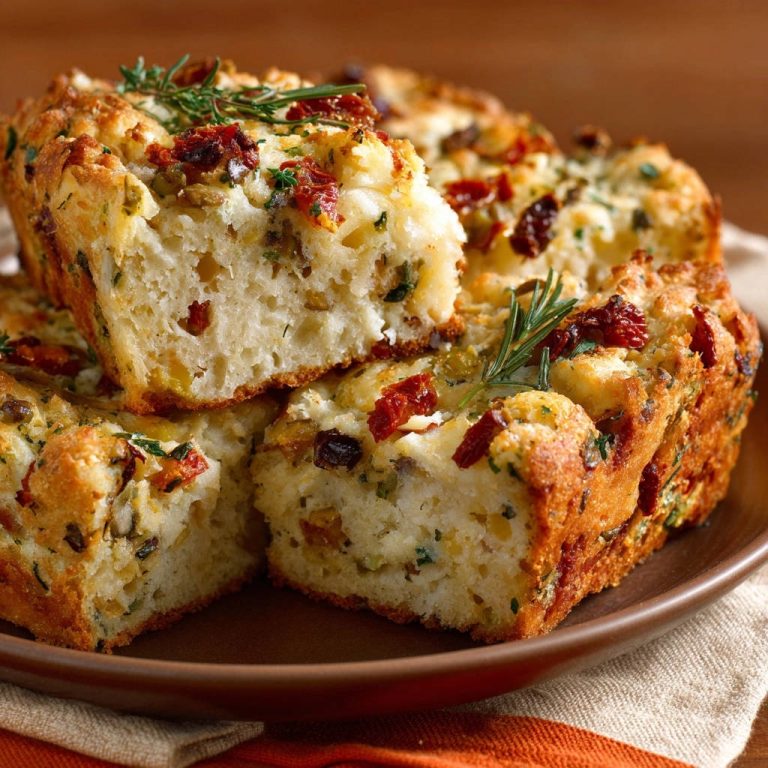
Why High-Hydration Rosemary Focaccia Succeeds
Ever pulled a rosemary focaccia from the oven only to find it flat and dense, like a sad brick? Most recipes fail because they skimp on water and rely on heavy kneading that deflates every air bubble. This rosemary focaccia flips the script with an 80% hydration dough and no-knead stretch-and-folds for those massive, irresistible holes.
Therefore, you get a light, open crumb that stays tender inside with a crisp, golden top. In addition, the cold proof builds deep flavor without any fuss. I’ve turned countless dense disasters into triumphs just by nailing this high-hydration method.
The secret lies in the first 30-minute rest after mixing. It fully hydrates the flour, kickstarting gluten without a single knead. That’s why this rosemary focaccia delivers perfection every time.
Essential Ingredients for Rosemary Focaccia
Bread flour forms the backbone with its high protein content, creating strong gluten networks for that signature open crumb in rosemary focaccia. Warm water at 100F activates the instant yeast gently, while the 80% hydration ratio ensures steam-powered bubbles during baking. Sea salt balances flavors and strengthens dough structure.
Olive oil, about 100 ml total, adds richness and prevents sticking for crispy edges. Fresh rosemary leaves bring an aromatic punch that perfumes the whole kitchen. Finally, flaky sea salt on top gives a delightful crunch against the soft interior.
However, grab the freshest rosemary you can find; dried just won’t release those oils properly. In addition, quality extra virgin olive oil elevates the taste far beyond basic stuff.

Bread Flour vs All-Purpose in Focaccia
Bread flour’s 12-14% protein builds superior gluten for rosemary focaccia’s airy structure. All-purpose, at 10-11%, often yields denser results because it can’t trap as much gas. Therefore, stick with bread flour to avoid flat loaves.
Olive Oil Quantities and Quality Choices
The 100 ml total keeps dough supple and crisps the crust in rosemary focaccia. Extra virgin offers fruity depth, while regular works fine for everyday. Generously oil the pan first; it creates those golden, crunchy edges everyone craves.
Science of High-Hydration Dough in Focaccia
This rosemary focaccia uses 450 ml water to 500 g flour for 80% hydration, mimicking autolyse to hydrate flour fully without kneading. Stretch-and-folds align proteins gently, developing gluten that holds massive CO2 bubbles. Cold fermentation then lets enzymes break down starches, boosting umami and flavor complexity.
In addition, the high water content turns to steam in the oven, puffing the crumb open. Traditional low-hydration doughs collapse under their own weight. Therefore, this method guarantees light, holey rosemary focaccia.
Pro tip: Always measure water by weight for precision; cups can throw off hydration and lead to dense results.
Gluten Networks from Stretch-and-Fold
Three sets of stretch-and-folds align gluten strands without degassing the dough, trapping CO2 for big holes in rosemary focaccia. Kneaded dough often overworks and collapses. Therefore, these gentle folds build strength perfectly.
Cold Proof’s Flavor and Texture Magic
During 12-18 hours in the fridge, proteases tenderize the gluten while amylase creates sugars for browning. Bubbles form slowly, leading to an open crumb in rosemary focaccia. Room temp works in a pinch, but cold delivers superior taste.
Step-by-Step: Building Rosemary Focaccia Dough
Whisk bread flour, instant yeast, and sea salt in a large bowl. Add warm water and 50 ml olive oil, stirring with a wooden spoon until shaggy, about 1 minute. Cover and rest 30 minutes; the dough hydrates fully, smelling faintly sweet.
However, wet your hands for the next part. Perform three stretch-and-fold sets, resting 30 minutes between each. Gently grab an edge, stretch up, and fold over; rotate the bowl quarterly. The dough gains strength and elasticity without toughness.
After the final set, cover tightly and refrigerate 12-18 hours. It emerges puffy with huge bubbles, ready for shaping. This builds the perfect rosemary focaccia base.
Mastering the First Shaggy Dough Mix
Whisk dries thoroughly so yeast distributes evenly. Add 100F water to wake yeast without killing it; the shaggy mix looks messy but transforms. No-kneading keeps air in for light rosemary focaccia.
Performing Effective Stretch-and-Folds
Wet hands prevent sticking as you stretch and fold four times per set, rotating the bowl. Feel the dough resist less each round, gaining smoothness. Common mistake: dry hands tear gluten; always wet them for airy rosemary focaccia.
Shaping and Proofing Rosemary Focaccia
Oil a 9×13-inch pan generously with 30 ml olive oil. Gently tip dough in and stretch to corners, preserving bubbles; it jiggles softly. Drizzle remaining 20 ml oil over top and cover loosely.
Proof at room temp 1-2 hours until bubbly and puffy. Press gently; it springs back slowly. Therefore, you’ll know it’s ready for dimpling without deflating.
Gentle Dough Transfer to Baking Pan
Use oiled hands to slide dough in without popping bubbles, key for open-crumb rosemary focaccia. Nudge gently to fill corners; avoid pressing down. Patience here pays off big.
Dimming, Topping, and Baking Focaccia
Preheat to 425F. Wet fingertips and dimple deeply all over, creating pools for oil. Sprinkle chopped rosemary and flaky salt evenly.
Bake 20-25 minutes, rotating halfway for even goldening. The top crisps while edges bubble fragrantly. Cool on a rack 10 minutes; it slices best warm.
Pro tip: Deep dimples prevent rising domes and hold toppings perfectly.
Perfect Dimple Technique for Craters
Wet fingers push straight down to the pan bottom, forming craters that cradle rosemary and oil in focaccia. Too shallow, and it domes; too aggressive pops bubbles. Practice on one corner first.
Avoiding Common Rosemary Focaccia Pitfalls
Dense crumb often comes from under-hydration or skipped rests; always hit 80% water and full proofs. Flat tops result from over-dimpling, which deflates gas. Gummy insides mean underbaking; check for crisp undersides.
Therefore, test yeast in warm water first if rises seem weak. In addition, use a timer for proofs to prevent rushing. These fixes ensure flawless rosemary focaccia.
Fixing Dense or Flat Focaccia Results
Rushed proofs or low hydration cause density; measure precisely and wait for puffiness. Popped bubbles from rough handling flatten it. Stretch gently and proof fully for success.
Flavor Variations for Rosemary Focaccia
Stick to the high-hydration base but swap in garlic-infused oil for punch. Add halved cherry tomatoes for juicy bursts or olive tapenade swirls. Lemon zest brightens the rosemary beautifully.
However, Italian herb blends like oregano amplify savoriness. These tweaks keep the open crumb while varying rosemary focaccia endlessly.
Herb and Citrus Twists on Classic
Mix thyme with rosemary for earthier notes, or orange zest for citrus pop. Both maintain focaccia’s airy essence without overwhelming. Fresh always beats dried here.
Pairing Rosemary Focaccia with Meals
Tear into rosemary focaccia alongside minestrone soup; it soaks up broth perfectly. Pair with crisp salads or antipasti platters for easy snacking. Slice for hearty sandwiches too.
Dip in olive oil with cracked pepper for pure joy. Sparkling cranberry juice cuts through the richness nicely.
Storing and Freezing Rosemary Focaccia
Store airtight at room temp up to 2 days; it softens slightly but revives in a 350F oven for 5 minutes. Fridge extends to 5 days, though crispness fades.
Freeze slices in bags up to 3 months; thaw and reheat directly from frozen. Make-ahead: Proof cold up to 24 hours before baking.
Rosemary Focaccia Frequently Asked Questions
Can I use active dry yeast instead of instant?
Yes, but dissolve 10 g active dry in the warm water first for 5 minutes until foamy. Instant mixes directly into flour for even rise in rosemary focaccia. Both work; active just needs proofing.
What’s the room temperature proof alternative to cold ferment?
Let dough rise at room temp 2-3 hours after folds until doubled and bubbly. It rises faster but develops less flavor than 12-18 hour cold proof. Still yields great open crumb.
Is this rosemary focaccia recipe vegan?
Absolutely; all ingredients are plant-based. Olive oil provides fat, no eggs or dairy needed. The high-hydration keeps it tender without animal products.
Can I scale this rosemary focaccia recipe down for a smaller batch?
Halve everything for a 9×9 pan: 250 g flour, 225 ml water, etc. Keep ratios exact for hydration. Bake 18-22 minutes; perfect for 2-4 servings.
Why is bread flour essential for rosemary focaccia?
Its higher protein (12-14%) forms strong gluten to trap steam and CO2, creating big holes. All-purpose often results in dense, flat bread. Swap only if desperate, but expect less airiness.

Rosemary Focaccia
Course: BreadCuisine: ItalianDifficulty: easy1
loaf (9×13-inch pan)30
minutes25
minutes1080
MinutesItalian
Ingredients
500 grams bread flour
450 ml warm water (about 100F)
10 grams instant yeast
10 grams sea salt
100 ml olive oil, divided
1/4 cup fresh rosemary leaves, chopped
Flaky sea salt for topping
Directions
- In a large bowl, whisk flour, yeast, and sea salt. Add warm water and 50 ml olive oil. Mix with a wooden spoon until a shaggy, sticky dough forms, about 1 minute. Cover and let rest 30 minutes. This high-hydration start (80% water to flour) is key to avoiding dense focaccia by fully hydrating the flour for maximum gluten development.
- Wet your hands and perform 3 stretch-and-folds: Grab one edge of dough, stretch it up, and fold over center. Rotate bowl 90 degrees and repeat 3 more times. Cover and rest 30 minutes. Repeat stretch-and-fold set 2 more times (total 1 hour active work). These gentle folds build strength without deflating air, trapping big bubbles that prevent flat, dense results.
- Cover bowl tightly with plastic wrap. Refrigerate 12-18 hours (or room temp 2-3 hours if rushed). Cold slow proof develops flavor and huge air pockets, solving the
Notes
- Cold fermentation (12-18 hours) develops superior flavor and structure. Use bread flour for best gluten development. Store airtight up to 2 days.